We’re Hiring! Apply To Join Our Team Today


Over 25 years of expert service
Monsoon Season & Indoor Mold: Managing High Humidity Spikes in the Desert
Your trusted partner for home comfort throughout Gila Valley and White Mountain.
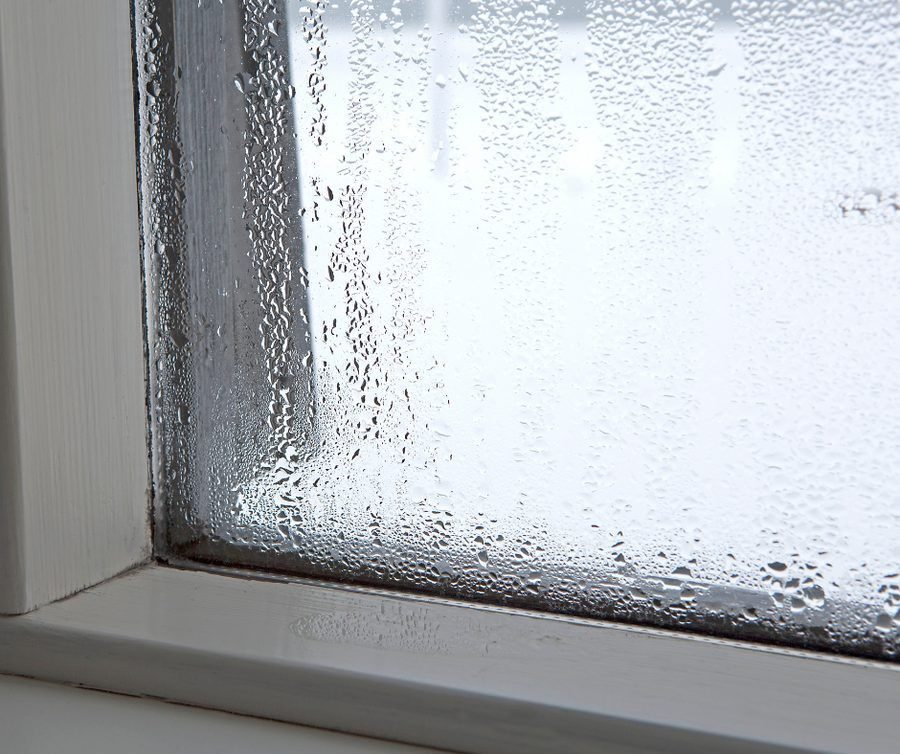
Living in the Gila Valley means enjoying crisp, dry desert air for most of the year. From Thatcher and Safford to Pima and Fort Thomas, residents are accustomed to single-digit relative humidity and scorching summer sun. However, when the annual Arizona monsoon sweeps into our region between July and September, the atmospheric landscape transforms in an instant. Severe dust storms (haboobs), sudden downpours, and intense moisture surges push outdoor humidity levels to unprecedented heights.
For desert homes built to handle dry heat rather than tropical dampness, this sudden influx of humidity presents a hidden threat: indoor mold growth. Advanced Air Systems has been serving the Gila Valley with trusted HVAC, plumbing, and electrical trade craftsmanship for decades. This practical guide breaks down why monsoon humidity triggers mold growth in desert homes and how to protect your indoor air quality when the moisture spikes.
The Desert Humidity Paradox: Why Mold Thrives During Monsoon Season
It is easy to assume that mold is strictly a coastal or tropical problem. However, mold spores exist everywhere in the environment, laying dormant in dry soil and indoor dust particles until a single missing ingredient arrives: moisture.
During a typical Gila Valley summer afternoon, your central air conditioner runs continuously to fight triple-digit heat. When outdoor air suddenly shifts from 10% relative humidity to 60% or higher during monsoon storms, your home’s thermal surfaces, such as cold supply registers, window glass, and metal ductwork, hit their dew point. Airborne water vapor condenses into liquid droplets along these cold surfaces, creating ideal conditions for mold colonies to form in as little as 24 to 48 hours.
4 Common Vulnerability Zones in Gila Valley Homes
Understanding where moisture hides during monsoon season allows you to catch humidity problems before mold takes root in your living spaces.
1. Air Conditioning Coils and Condensate Lines
Your AC system acts as your home’s primary dehumidifier. As warm, humid air passes over the icy indoor evaporator coil, water condenses onto the metal fins and drains down into a drip pan. During intense monsoon spikes, the volume of water produced by your unit quadruples. If your condensate drain line is clogged with algae, dust, or desert dirt, that water will back up, overflowing into your utility closet or attic and triggering hidden mold growth.
2. Ductwork Running Through Unconditioned Attics
Most homes across Thatcher and Safford feature metal flex ductwork routed through unconditioned attic spaces. During monsoon season, attic temperatures soar past 130°F while holding heavy atmospheric moisture. If your ductwork has minor insulation tears or unsealed joints, the icy air inside the duct collides with the hot, humid attic air, causing the outer surface of the duct to “sweat” heavily.
3. Oversized Air Conditioning Units
A common issue in desert homes is an oversized AC system. While a larger unit cools your home down quickly, it shuts off before completing a full cooling cycle—a defect known as short-cycling. Because humidity removal requires long, steady run cycles, an oversized unit leaves your indoor air feeling clammy, sticky, and damp even while the thermostat reads 72°F.
4. Bathroom and Kitchen Exhaust Ventilation
Exhaust fans are engineered to vent damp steam directly out of your home during showers or cooking. If an exhaust fan is clogged with dust, features a stuck backdraft damper, or vents into an attic rather than outside, monsoon humidity gets trapped inside drywall cavities and ceiling insulation.
Warning Signs of High Indoor Humidity and Hidden Mold
Because mold often starts growing inside wall cavities, crawl spaces, or ductwork, it is vital to recognize early warning signs before a minor issue becomes a major remediation headache:
- Musty, Earthy Odors: A persistent stale smell near supply vents or utility closets is often the first sign of hidden biological growth.
- Sweating Vents and Windows: Water droplets pooling along supply registers, ceiling grilles, or window frames signal that indoor relative humidity has crossed safe thresholds.
- Sticky or Clammy Indoor Air: If skin feels clammy indoors despite the air conditioner running, your system is failing to extract latent moisture.
- Peeling Paint or Bubbling Drywall: Moisture trapped behind wall surfaces causes paint to blister and drywall to soften.
- Unexplained Allergy Flare-Ups: Increased coughing, sneezing, or respiratory irritation indoors during monsoon season often points to airborne mold spores circulating through the ductwork.
Practical Action Steps to Manage Desert Humidity
You can take several immediate steps to control indoor moisture levels and protect your home during monsoon weather spikes:
- Maintain Thermostat Discipline: Keep your thermostat fan setting on AUTO rather than ON. Running the fan continuously on “ON” blows warm, wet air off the wet evaporator coil back into your home after the cooling cycle stops.
- Inspect Condensate Drain Lines: Regularly check the outdoor PVC exit pipe for your AC condensate line to ensure water is flowing freely away from your foundation.
- Run Exhaust Fans Consistently: Keep bathroom exhaust fans running for at least 20 minutes after showers to evacuate lingering steam.
- Upgrade to Whole-Home Dehumidification: Integrating a whole-home dehumidifier into your central HVAC network gives you precise, independent control over indoor moisture levels without over-cooling your home.
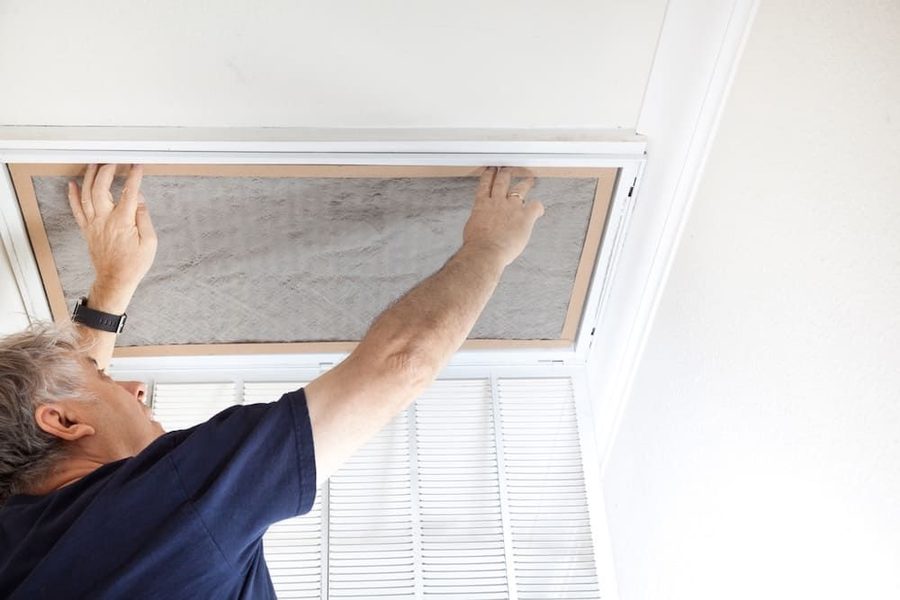
- Schedule Pre-Monsoon Maintenance: Having a technician clean cooling coils, flush drain lines, and inspect duct insulation ensures your system is prepared for extreme moisture shifts.
Protecting Your Health, Comfort, and Property Investment
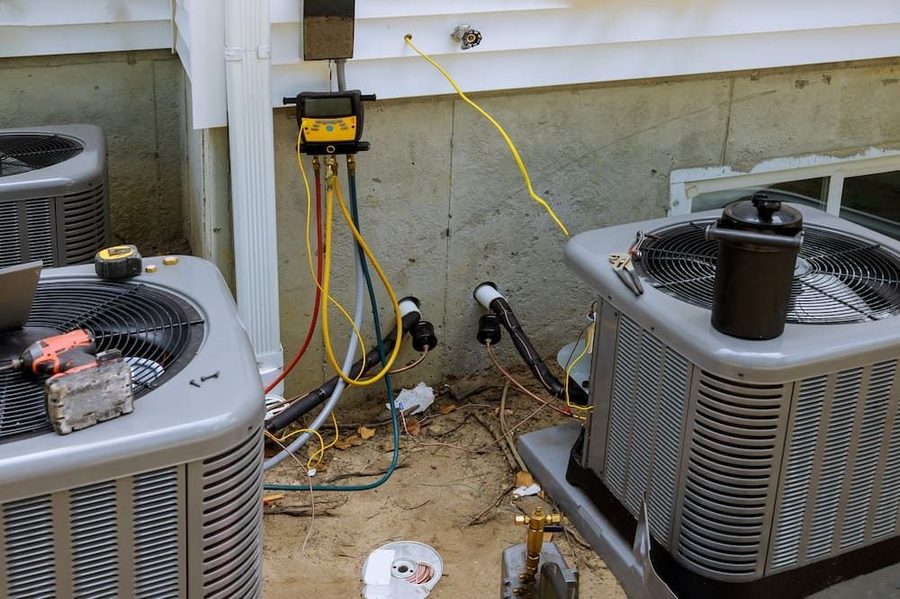
Taking a proactive approach to indoor moisture control is the most effective way to eliminate monsoon anxiety and protect your property asset. While simple habits like running exhaust fans and monitoring thermostat settings are great household habits, balancing complex refrigerant charges, clearing deep condensate lines, and sealing attic ductwork requires specialized commercial equipment and trade expertise.
Allowing high humidity to linger unmanaged inside a desert home invites structural damage, ruined insulation, and compromised indoor air quality for your family. Partnering with a trusted home services team ensures your cooling system manages latent moisture loads effectively, keeps your indoor air clean, and maintains a comfortable, dry living space through every monsoon storm.
Contact Advanced Air Systems today to schedule your indoor air quality service!

Leave Your Home Comfort To Us!
From routine maintenance to complete system replacements, Advanced Air Systems delivers reliable comfort solutions you can count on. Our experienced technicians focus on quality work, honest service, and keeping your home comfortable year-round.