We’re Hiring! Apply To Join Our Team Today


Over 25 years of expert service
How Arizona’s Dust & Desert Climate Affect Indoor Air Quality in the Gila Valley
Your trusted partner for home comfort throughout Gila Valley and White Mountain.
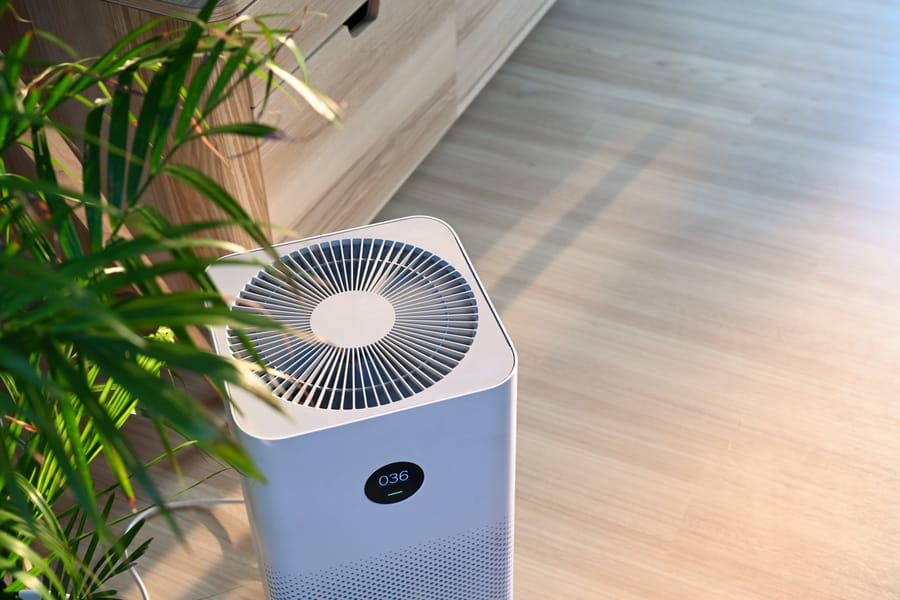
Arizona’s Gila Valley is known for its stunning desert landscapes, open skies, and year round sunshine. However, the same dry, dusty climate that defines the region also presents major challenges for indoor air quality. Fine dust particles, low humidity, and high heat all contribute to air that feels dry, irritating, and difficult to keep clean. These conditions place added strain on HVAC systems and can impact comfort, health, and energy efficiency inside your home.
From dust storms and monsoon season winds to everyday desert dryness, the Gila Valley’s environment makes indoor air quality a top concern for homeowners. This blog explains how dust and desert conditions affect your indoor air, why homes in this region experience unique IAQ challenges, and what you can do to improve comfort and air cleanliness year-round.
Why Desert Dust Levels Are Higher in the Gila Valley
The Gila Valley’s desert environment produces some of the highest dust levels in Arizona. Dry soil, sparse vegetation, and steady winds allow fine particles to travel long distances and enter homes with ease. Even when windows remain closed, desert dust can infiltrate your living spaces and accumulate on surfaces, in ductwork, and inside your HVAC system.
Microfine Particles That Bypass Standard Filtration
Desert dust contains extremely small particles that can slip past basic HVAC filters. These microfine particles remain suspended in the air longer and often settle deep inside vents, furniture, and fabrics. Because they are so small, they can irritate the lungs and sinuses and are difficult to remove without higher-grade filtration or air purification.
How Haboobs and Seasonal Winds Worsen Indoor Dust
Haboobs, which are large dust storms common in Arizona, can significantly worsen indoor dust levels. Strong winds push dust through door gaps, attic spaces, and even small cracks in windows or walls. Seasonal wind patterns in the Gila Valley also lift dry soil into the air, increasing dust exposure even on clear days. These conditions make regular air filter changes and indoor air quality solutions essential for homeowners in the region.
Low Humidity and Indoor Air Irritation
One of the most defining characteristics of the Gila Valley climate is extremely low humidity. While dry air can feel refreshing outdoors, it often leads to discomfort inside the home. Low humidity affects both your health and your indoor environment, creating conditions that allow dust to circulate more easily and irritate your skin, throat, and sinuses.
Increased Airborne Particles in Dry Air
Dry air allows dust, pollen, and other particulates to remain airborne much longer. Without moisture to weigh particles down, they continue to float through your home’s air and circulate through the HVAC system. This increases exposure to allergens and contributes to chronic dryness in the eyes, nose, and throat. Low humidity also causes fine dust to spread more quickly across surfaces.
When Whole-Home Humidification Becomes Beneficial
Balanced humidity levels improve indoor comfort and help reduce the irritation caused by dry air. Whole-home humidifiers can add controlled moisture into your HVAC system, making the air feel more comfortable and easier to breathe. Maintaining proper humidity also reduces static electricity, protects wood furniture from cracking, and helps your home feel warmer during cooler winter nights without increasing energy use.
HVAC System Strain in a Dusty Climate
The Gila Valley’s dusty desert environment puts significant strain on HVAC systems. Constant exposure to fine particles reduces airflow, clogs critical components, and forces your system to work harder to maintain comfortable indoor temperatures. Over time, this leads to higher energy bills, reduced performance, and a shorter lifespan for your equipment.
Dirty Coils and Clogged Filters
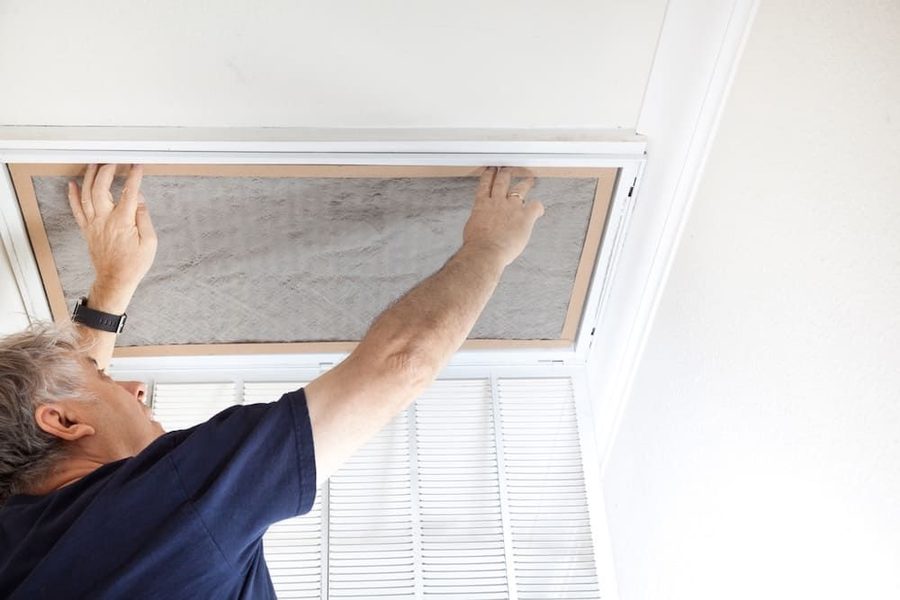
Dust builds up quickly on evaporator and condenser coils, creating a layer that blocks heat transfer and lowers system efficiency. When coils are dirty, your HVAC system must run longer and harder to cool or heat your home. Filters also clog much faster in desert climates, restricting airflow and increasing the chance of overheating, freeze-ups, and system shutdowns. Replacing filters frequently is essential in the Gila Valley.
How Dust Affects Blower Motors and Ductwork
Fine dust particles infiltrate blower assemblies, fan blades, and motors, leading to friction, overheating, and early wear. Dust accumulation inside ductwork reduces airflow and reintroduces pollutants into your home every time the HVAC system runs. Over time, this buildup can trigger uneven temperatures, foul odors, and excessive dust on indoor surfaces. Regular duct inspections and blower cleaning help maintain healthy airflow and prevent equipment damage.
Allergens and Outdoor Pollutants That Travel Indoors
Beyond dust, the Gila Valley experiences a variety of outdoor pollutants that easily make their way inside homes. Seasonal weeds, desert vegetation, wildfire smoke, and particulate matter can all worsen indoor air quality. Once these pollutants enter your home, they settle on surfaces, circulate through the HVAC system, and contribute to allergy and respiratory symptoms.
Pollutant Buildup During Monsoon Moisture Cycles
Monsoon season brings temporary moisture that lifts pollen, mold spores, and dust into the air. When this moisture dries, pollutants settle inside homes and remain trapped due to limited ventilation. These cycles increase indoor irritants and can trigger symptoms for those with allergies or asthma.
Increased Indoor Allergens After Dust Storms
Dust storms carry massive amounts of airborne debris, including pollen, bacteria, and irritants from surrounding desert areas. Even well-sealed homes cannot fully prevent these particles from entering through small cracks and air gaps. After a dust storm, many homeowners notice increased coughing, sneezing, and irritation because allergens remain trapped inside the home until removed through filtration or cleaning.
How Dust Impacts Indoor Comfort and Airflow
Dust does far more than settle on surfaces. In the Gila Valley’s desert climate, airborne dust can affect your home’s comfort, airflow, and overall heating and cooling performance. When dust accumulates inside vents, filters, and ductwork, it restricts the movement of air and creates uneven temperatures throughout the home.
Reduced Airflow From Clogged Return Grilles
Return grilles pull air into your HVAC system, but when these grilles are coated in dust, airflow drops significantly. Reduced airflow makes your HVAC system work harder and can cause hot and cold spots in different rooms. Many homeowners do not realize how much dust collects on return grilles until airflow issues begin to appear.
Dust Accumulation Inside Vents and Registers
Over time, dust settles inside supply vents and registers, narrowing the space for conditioned air to flow. As airflow becomes restricted, certain areas of the home may feel warmer, cooler, or stale compared to others. Because dust settles quickly in desert environments, regular vent cleaning can make a noticeable improvement in indoor comfort and system performance.
Indoor Air Quality Solutions for Gila Valley Homes
Improving indoor air quality in the Gila Valley requires a combination of better filtration, moisture control, and HVAC system care. With the right solutions, homeowners can significantly reduce dust, allergens, and irritation caused by the desert climate.
High Efficiency Filtration, Purifiers, and UV Lights
Upgrading to a higher efficiency HVAC filter can capture microfine dust and airborne particles that standard filters miss. Whole-home air purifiers add an extra layer of protection by removing pollutants, smoke, and allergens from the air. UV lights installed inside the HVAC system help neutralize bacteria, mold spores, and other biological contaminants that thrive in dusty environments.
Duct Cleaning, Sealing, and Humidity Balancing
Professional duct cleaning removes built-up dust and debris from inside your ductwork, restoring cleaner airflow and reducing irritants. Duct sealing helps prevent dust intrusion by closing gaps and cracks where outdoor pollutants enter the system. Adding a whole-home humidifier can also improve comfort by balancing dryness and reducing irritation caused by low humidity levels.
Improve Your Indoor Air Quality With Gila Valley’s Trusted HVAC Experts
Arizona’s desert climate brings unique challenges that can affect your comfort, health, and HVAC performance. By taking steps to control dust, balance humidity, and enhance filtration, you can create a cleaner, healthier indoor environment year-round. Whether you are battling dry air, constant dust buildup, or reduced airflow, the right IAQ solutions can make a major difference.
Advanced Air Systems specializes in indoor air quality improvements tailored to desert climates. Our team can help you choose the best filtration, purification, and humidity control options for your home while ensuring your HVAC system runs at peak performance.
Reach out to us today to schedule an indoor air quality assessment and take the first step toward cleaner, more comfortable air.

Leave Your Home Comfort To Us!
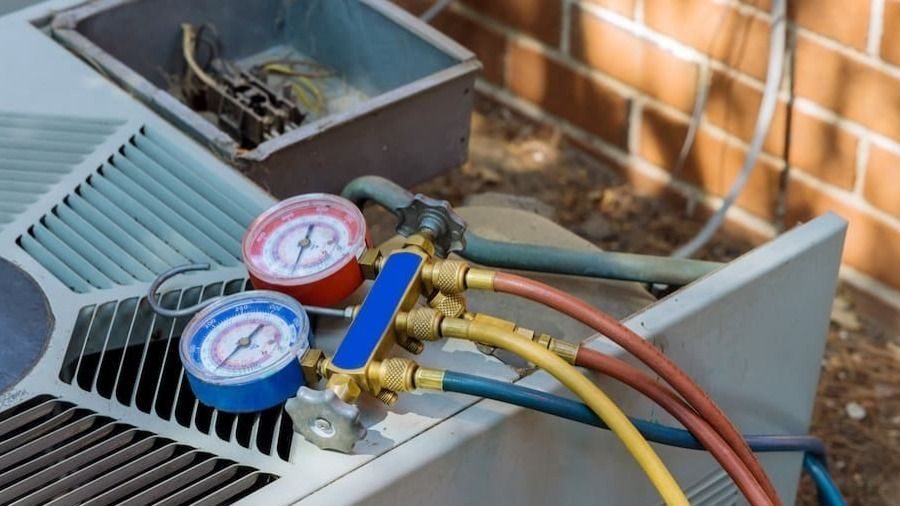
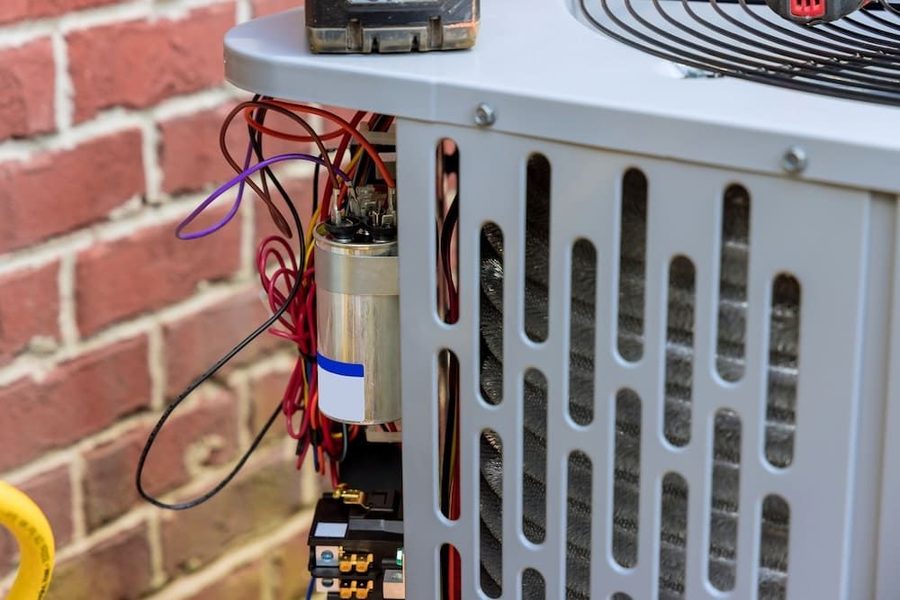
From routine maintenance to complete system replacements, Advanced Air Systems delivers reliable comfort solutions you can count on. Our experienced technicians focus on quality work, honest service, and keeping your home comfortable year-round.