We’re Hiring! Apply To Join Our Team Today


Over 25 years of expert service
Why Your AC Struggles When Gila Valley 105°F (And How to Fix It)
Your trusted partner for home comfort throughout Gila Valley and White Mountain.
Residents of the Gila Valley are no strangers to the heat. From Safford to Thatcher and Pima, we know that when the summer sun settles into the valley, triple digits are a daily reality. But there is a specific feeling of dread that sets in when the thermometer hits 105°F and you realize your air conditioner is no longer keeping up. You might notice the temperature in the house slowly creeping up to 78°F or 80°F, even though the thermostat is set to 74°F.
At Advanced Air Systems, we receive a surge of calls the moment the Gila Valley hits that 105°F threshold. It is the magic number where many older or unmaintained systems reach their physical limit. While it is tempting to think your AC is broken, it might actually be struggling against the laws of physics.
In this guide, we will explain exactly why 105°F is such a challenge for your cooling system and what you can do to help your AC win the battle against the Arizona sun.
The Physics of the 105°F Barrier
To understand why your AC struggles at 105°F, you first have to understand that your air conditioner doesn’t actually create cold. Instead, it is a heat-moving machine. It absorbs heat from inside your home and dumps it outside.
The Heat Exchange Struggle
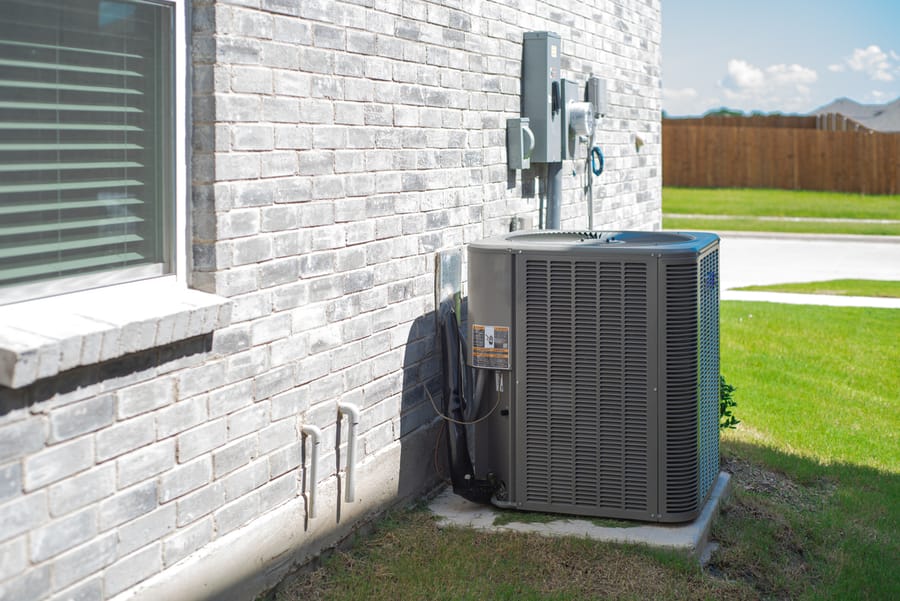
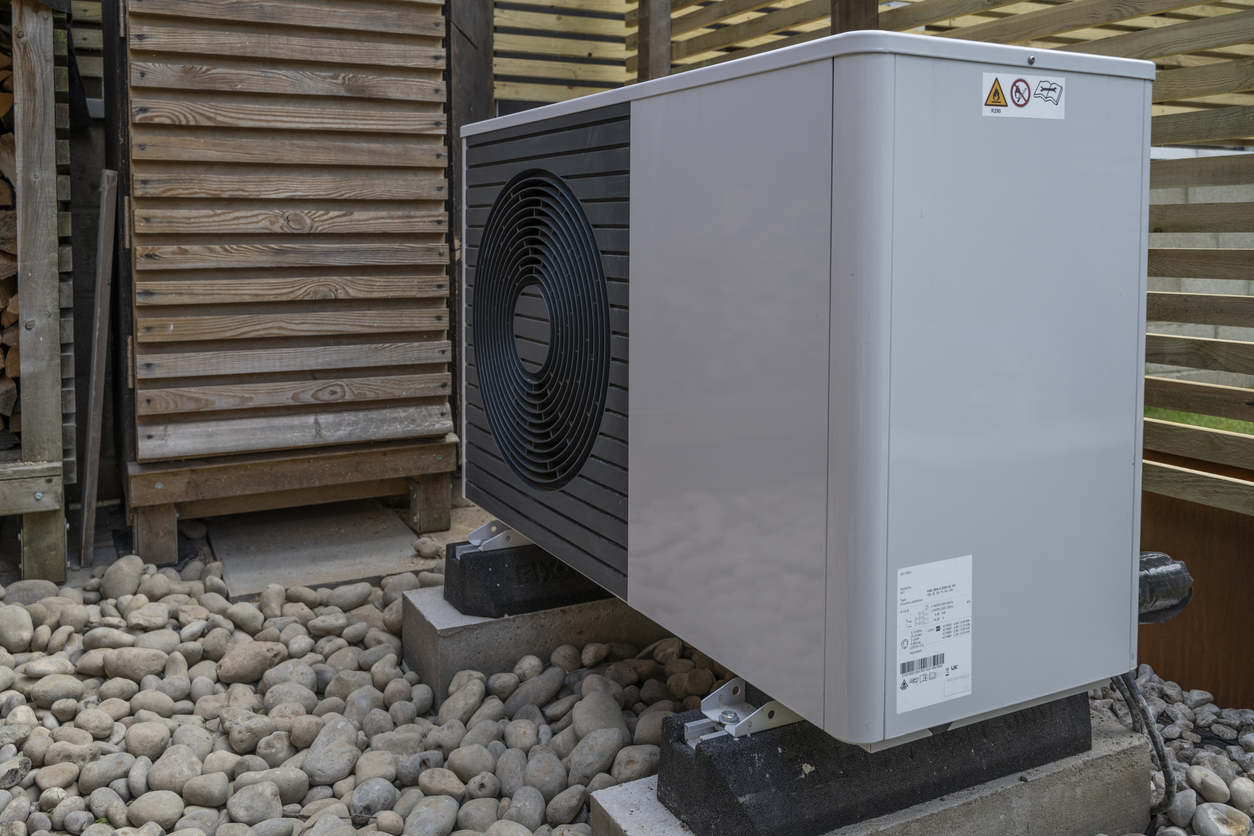
Your outdoor unit (the condenser) uses a fan to blow outdoor air across hot coils to release the heat it gathered from your living room.
-
The Temperature Differential: Air conditioners are generally designed to handle an outdoor temperature of about 95°F. When it is 95°F outside, the air is “cool” enough to absorb the heat from the coils efficiently.
-
The Saturated Air: Once the Gila Valley hits 105°F or higher, the outdoor air is so hot that it struggles to soak up any more heat from the coils. The heat exchange process slows down, and your AC has to work twice as hard to move half as much heat.
The 20-Degree Rule
Most HVAC systems are engineered to provide a 20-degree difference between the outdoor air and the indoor air. If it is 105°F in Thatcher, your system is technically doing its job perfectly if it keeps your home at 85°F. Asking it to reach 72°F during the peak of a 105-degree afternoon is asking it to perform a feat of engineering it wasn’t necessarily built for.
Common Culprits for Triple-Digit Struggles
While the heat is the primary enemy, certain “weaknesses” in your system become glaringly obvious once the temperature spikes.
Clogged Air Filters: The Breathless Blower
In the dusty Gila Valley environment, air filters get dirty fast. When a filter is clogged, the indoor blower motor has to work harder to pull air through. This leads to restricted airflow over the evaporator coil. In a 105-degree heatwave, your system needs maximum airflow to stay cool. A dirty filter can cause the system to overheat and shut down or even cause the coils to freeze up, yes, even when it is 100 degrees outside.
Dirty Outdoor Coils: The Insulating Layer
Your outdoor unit is exposed to Gila Valley dust, monsoon debris, and even local cottonwood fuzz. Over time, a layer of grime builds up on the condenser coils. This grime acts like a thermal blanket, trapping the heat inside the coils. When it is 105°F, your AC is already struggling to dump heat; that layer of dirt makes it nearly impossible, leading to high head pressure and potential compressor failure.
Low Refrigerant: The Half-Empty Tank
Refrigerant is the lifeblood of your AC. If your system has a small leak, you might not notice it when it is 85°F outside. However, at 105°F, your system needs every drop of refrigerant to move the massive amount of heat entering your home. Low refrigerant levels lead to long run times, higher energy bills, and lukewarm air coming from the vents.
How to Fix the Struggle: Advanced Air’s Action Plan
You don’t have to suffer through a 105-degree day. There are several ways to support your AC and bring the temperature in your home back down to a comfortable level.
1. The 30-Day Filter Routine
During the Gila Valley summer, the standard three-month filter rule does not apply. You should check and likely replace your filter every 30 days. This ensures your blower motor isn’t straining and your airflow remains at peak capacity.
2. Manage Your Solar Gain
Your AC isn’t just fighting the air temperature; it is fighting radiant heat from the sun.
-
Close the Blinds: In the Gila Valley, the afternoon sun hitting west-facing windows can add as much heat to your home as a small space heater. Keeping blinds and blackout curtains closed during the day can reduce the workload on your AC by up to 20 percent.
-
Seal the Leaks: Check the weatherstripping around your doors and windows. If you can feel heat “bleeding” in from the outside, your AC is fighting a losing battle.
3. Professional Condenser Cleaning
At Advanced Air Systems, our precision tune-ups include a deep cleaning of your outdoor condenser coils. We use specialized solutions to break down the desert grime that a garden hose can’t reach. A clean coil can improve your system’s efficiency significantly, allowing it to “breathe” even when the valley is scorching.
4. Adjust Your Expectations (and Your Thermostat)
Setting your thermostat to 68°F when it is 105°F outside will not make the house cool down faster; it will only ensure the compressor never turns off. This leads to mechanical fatigue. Try setting the thermostat to 78°F during the hottest part of the day (2 PM to 6 PM) and use ceiling fans to circulate the air. Fans create a wind-chill effect on your skin, making 78°F feel like 74°F.
When to Call Advanced Air Systems
Sometimes, the struggle is a sign of a deeper mechanical issue. If you notice any of the following during a Gila Valley heatwave, it is time to call in the pros:
-
The AC runs 24/7, but the temp keeps rising.
-
You hear a loud buzzing or humming from the outdoor unit (potential failing capacitor).
-
The air coming from the vents feels “humid” or warm.
-
Your energy bills have doubled compared to last year’s 105-degree days.
Our technicians are Gila Valley locals. We know exactly what the heat does to electrical components and compressors in Thatcher and Safford. We offer 24/7 emergency services because we know that an AC failure in 105-degree weather isn’t just an inconvenience; it’s a safety issue.
Stay Cool in the Gila Valley
The Gila Valley sun is relentless, but your comfort doesn’t have to be a casualty of the weather. By understanding the limits of your AC and taking proactive steps to maintain your system, you can ensure that even when the thermometer hits 105°F, your home remains a cool sanctuary.
At Advanced Air Systems, we are committed to providing trusted comfort solutions. Whether you need an emergency repair, a seasonal tune-up, or a high-efficiency system upgrade that can handle the Arizona heat with ease, we are here for you.
Don’t let your AC struggle through another Gila Valley summer. Contact Advanced Air Systems today to schedule your high-heat performance audit.

Leave Your Home Comfort To Us!
From routine maintenance to complete system replacements, Advanced Air Systems delivers reliable comfort solutions you can count on. Our experienced technicians focus on quality work, honest service, and keeping your home comfortable year-round.