We’re Hiring! Apply To Join Our Team Today


Over 25 years of expert service
Tankless Water Heater vs. Traditional: Decision Guide for Gila Valley Efficiency and Savings
Your trusted partner for home comfort throughout Gila Valley and White Mountain.
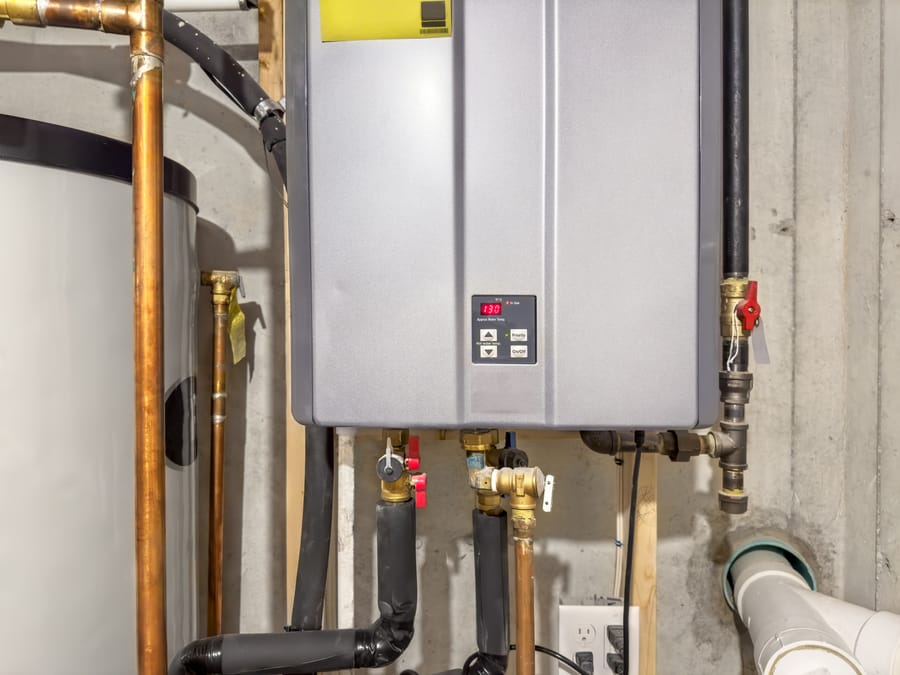
Homeowners in the Gila Valley face a unique set of challenges when it comes to maintaining a reliable and efficient hot water supply. Between the intense desert heat of Safford and the mineral-rich groundwater common in Thatcher, your water heater is under constant geological and thermal stress. As we move into 2026, many families are evaluating whether to stick with a traditional storage tank or make the switch to a modern tankless system. At Advanced Air Systems, we believe that the best choice depends on a clear understanding of your household’s specific water usage patterns and long-term financial goals. This guide is designed to cut through the noise and provide a localized perspective on efficiency, maintenance, and the new 2026 savings opportunities.
The transition to a new water heater is one of the most significant appliance investments you will make for your Arizona home. With national energy standards shifting and local utility programs evolving, the decision you make today will impact your monthly utility bills for the next decade or more. Whether you are dealing with a failing unit or simply looking to proactively upgrade for better efficiency, this decision guide breaks down the performance metrics that matter most in our desert climate. We will explore how Graham County’s water quality affects different heating technologies and identify the specific 2026 incentives that can help offset your upfront costs.
How Tankless Water Heaters Work in the Arizona Desert
The primary appeal of tankless technology is the promise of on-demand heating. Unlike a traditional unit that keeps 40 or 50 gallons of water hot 24 hours a day, a tankless heater only activates when you turn on a hot water tap. For Gila Valley residents, this process is particularly efficient because our groundwater temperature is often significantly higher than in northern states.
The Science of On-Demand Heating
-
Instantaneous Transfer: Water flows through a compact heat exchanger that uses high-output burners to flash-heat the water as it passes through.
-
Groundwater Advantage: Because Arizona groundwater is already warm, tankless units do not have to work as hard to reach your desired temperature, leading to lower fuel consumption.
-
Space Efficiency: These units are typically the size of a small suitcase and are mounted on a wall, which is ideal for smaller laundry rooms or utility closets.
By eliminating the need for a storage tank, you effectively remove the standby heat loss that occurs when a traditional tank sits idle. This makes tankless systems a top choice for homes looking to maximize their 2026 energy efficiency ratings.
The Case for Traditional Storage Tank Water Heaters
Despite the rise of on-demand technology, traditional storage tank water heaters remain a popular and practical choice for many Gila Valley households. These systems are well-understood by most homeowners and generally require a lower initial investment.
Why Tanks Remain a Viable Option
-
Lower Upfront Cost: The purchase price and installation fees for a standard tank are significantly less than a tankless conversion.
-
Installation Simplicity: In existing homes, replacing a tank with a newer model is often a straightforward process that does not require modifications to gas lines or electrical panels.
-
Insulation Improvements: 2026 models feature advanced foam insulation that keeps water hot for longer periods, reducing the frequency of the burner firing to maintain temperature.
For families on a strict budget or those in homes where extensive plumbing reconfiguration is not feasible, a high-efficiency traditional tank continues to provide reliable service with minimal hassle.
Comparing Energy Efficiency and Long-Term Savings
When evaluating tankless vs traditional models, the most critical factor for many is the return on investment. While a tankless unit costs more to install, it can reduce your water heating energy costs by 24 percent to 34 percent for households that use less than 41 gallons of hot water daily.
Breaking Down the Financial Impact
-
Energy Savings: Households using a tankless system can save an average of 100 dollars per year on utility bills compared to a standard tank.
-
Lifespan Comparison: Tankless units are built to last 20 years or more, whereas traditional tanks typically require replacement every 10 to 12 years.
-
Standby Loss Reduction: Traditional tanks lose heat through the walls of the reservoir; tankless units eliminate this waste entirely.
In the Graham County area, where summer cooling costs already strain the budget, reducing your water heating bill can provide much-needed breathing room during the peak utility months.
The Arizona Hard Water Factor: Maintenance and Longevity
Gila Valley is known for having some of the hardest water in the state. This high mineral content, primarily calcium and magnesium, presents a significant challenge for both types of water heaters.
Managing Mineral Buildup
-
Tankless Sensitivity: The narrow channels in a tankless heat exchanger can become clogged with scale quickly if not maintained. Annual descaling is mandatory to prevent efficiency drops.
-
Traditional Tank Sediment: In storage tanks, minerals settle at the bottom, creating a thick layer of sediment that insulates the burner from the water, forcing the unit to run longer and hotter.
-
The Softener Solution: Regardless of which system you choose, Advanced Air Systems recommends a water softening system to protect your investment and extend the life of your plumbing.
Proper maintenance is the key to ensuring your warranty remains valid and your system reaches its full potential lifespan in our mineral-heavy environment.
Sizing Your System for Gila Valley Households
Choosing the right size is about more than just the number of gallons. For tankless systems, we measure capacity in Gallons Per Minute (GPM), while traditional tanks are measured by their total reservoir volume.
How to Determine Your Needs
-
Simultaneous Usage: Think about how many fixtures run at once. If you run the dishwasher while someone is showering, a tankless unit must have a high enough GPM rating to handle both.
-
The Cold Sandwich Effect: Poorly sized tankless units can sometimes deliver a burst of cold water if multiple taps are cycled quickly; professional sizing prevents this issue.
-
Family Size: A household of five typically requires a 50 to 80-gallon traditional tank, whereas a single large tankless unit can often serve the same family indefinitely.
Installation Requirements: What Homeowners Often Overlook
Switching from a traditional tank to a tankless system is not always a one-to-one replacement. There are several infrastructure requirements that must be addressed to ensure a safe and legal installation.
Potential Infrastructure Upgrades
-
Gas Line Capacity: Tankless units require a large burst of gas to heat water instantly, which may require upgrading your home’s existing gas lines.
-
Venting Systems: Most modern tankless units are condensing and require specific PVC venting to handle the exhaust and acidic condensate.
-
Electrical Needs: Even gas tankless units require an electrical connection for the control board and ignition, which may necessitate a new outlet near the installation site.
Advanced Air Systems handles these technical details during our initial consultation, ensuring that your home is ready for whichever technology you choose.
2026 Rebates, Tax Credits, and Financial Incentives
The financial landscape for water heating changed significantly at the start of 2026. While some federal tax credits expired at the end of 2025, there are new state and utility-based programs designed to encourage high-efficiency upgrades.
Current Savings Opportunities
-
State Efficiency Rebates: Arizona’s 2026 energy programs offer point-of-sale rebates for low-to-moderate-income households through the Efficiency Arizona portal.
-
Federal 25C Credits: While some portions of the Inflation Reduction Act have shifted, certain high-efficiency gas tankless units still qualify for federal tax credits of up to 600 dollars.
-
Utility Programs: Local providers occasionally offer rebates for switching from electric resistance heating to high-efficiency gas or heat pump models.
By choosing a professional installer like Advanced Air Systems, you gain an advocate who can help you identify every available dollar in savings to lower your net investment.
Trust Advanced Air Systems for Your Gila Valley Water Heater Upgrade
Making the right choice between tankless and traditional water heaters involves balancing your current budget with your long-term efficiency goals. Whether you prioritize the lower upfront cost of a storage tank or the endless hot water and space-saving benefits of a tankless system, the experts at Advanced Air Systems are here to guide you. We understand the specific water conditions and climate challenges of Safford, Thatcher, and the surrounding areas. Our team is committed to providing honest advice and professional installation that ensures your family stays comfortable for years to come. Do not wait for a leak to start exploring your options.
Contact Advanced Air Systems today to schedule a professional water heater consultation and find the perfect high-efficiency solution for your Graham County home.

Leave Your Home Comfort To Us!
From routine maintenance to complete system replacements, Advanced Air Systems delivers reliable comfort solutions you can count on. Our experienced technicians focus on quality work, honest service, and keeping your home comfortable year-round.