We’re Hiring! Apply To Join Our Team Today


Over 25 years of expert service
Heat Pump vs. Traditional HVAC for Arizona’s Climate: Comfort, Cost & Efficiency
Your trusted partner for home comfort throughout Gila Valley and White Mountain.
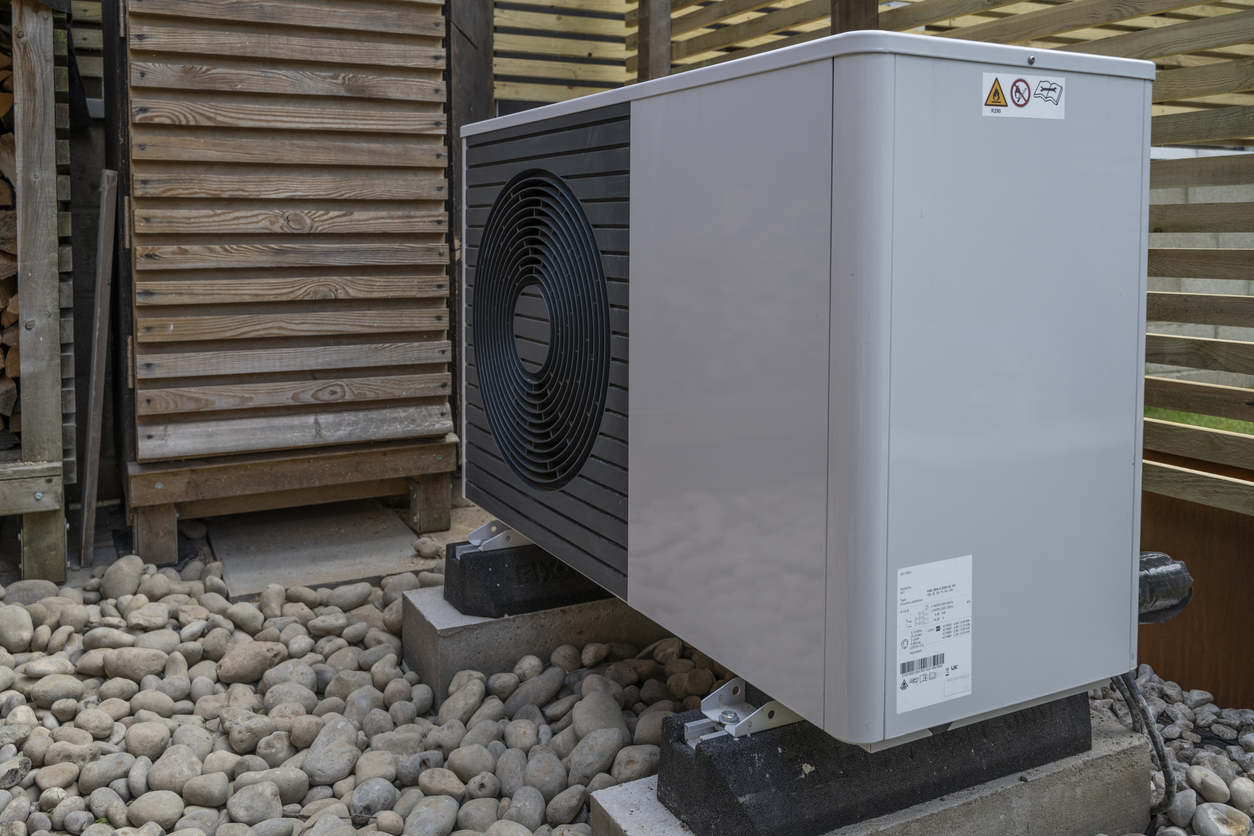
Arizona is a land of environmental extremes. From the scorching 115-degree afternoons in the Phoenix Valley to the surprisingly brisk winter mornings in the high desert, our climate demands a cooling and heating system that can pivot as quickly as the desert winds. For decades, the standard configuration for Arizona homes was a traditional split system consisting of a powerful central air conditioner paired with a gas furnace. However, as we navigate the energy landscape of 2026, a new contender has become the preferred choice for savvy homeowners: the high-efficiency heat pump.
At Advanced Air Systems, we have spent over twenty years helping residents in Phoenix, Scottsdale, and the surrounding areas optimize their home comfort. We often find that there is a significant amount of confusion regarding what a heat pump actually is and whether it can truly handle the intense demands of an Arizona summer. This guide breaks down the differences between heat pumps and traditional HVAC systems, exploring the comfort, cost, and efficiency metrics that matter most to desert dwellers.
The Mechanical Distinction: How They Work
To choose the right system for your home, you must first understand the fundamental physics behind each option.
Traditional HVAC (The Split System)
A traditional HVAC setup is a specialist system. In the summer, the air conditioner uses a refrigerant cycle to remove heat from your home and dump it outside. In the winter, the air conditioner sits idle while a separate gas furnace creates heat by burning fuel. It is an effective but binary approach to comfort.
The Heat Pump (The Heat Mover)
A heat pump is essentially a reversible air conditioner. In the summer, it performs exactly like a standard AC, extracting heat from your indoor air and moving it outdoors. In the winter, the process reverses. Instead of creating heat through combustion, the heat pump extracts ambient heat from the outside air and moves it into your home. Even when it feels cold outside, there is still thermal energy available for a heat pump to harvest.
Comfort: Solving the Arizona “Dry Heat” Challenge
In Arizona, comfort is about more than just a number on the thermostat; it is about the quality and consistency of the air.
Traditional System Comfort
Gas furnaces are known for producing very hot air, often delivered in short, intense bursts. While this can warm a room quickly, it often leads to significant temperature swings and can make the already dry Arizona winter air feel even more parched. On the cooling side, older traditional units are often single-stage, meaning they are either 100 percent on or 100 percent off, which can lead to cold spots and inconsistent humidity control.
Heat Pump Comfort
Modern heat pumps, especially those with variable speed compressors, provide a much more consistent flow of air. Instead of the blast-and-stop cycle of a furnace, a heat pump provides a steady, gentle warmth that maintains a precise temperature. Because they do not rely on combustion, they do not dry out your indoor air to the same degree as a gas furnace. In the summer, the variable speed technology allows the heat pump to run at lower, more efficient speeds for longer periods, which provides superior dehumidification and more even cooling throughout your home.
Efficiency: The 2026 Energy Landscape
In 2026, energy efficiency is no longer just an environmental talking point; it is a financial necessity. With rising utility rates across the Southwest, the way your system uses electricity determines your monthly quality of life.
The Efficiency Ratio
Traditional gas furnaces are measured by AFUE (Annual Fuel Utilization Efficiency). A high-end furnace might be 96 percent efficient, meaning 4 cents of every dollar spent on gas is wasted. Heat pumps, however, are measured by HSPF2 (Heating Seasonal Performance Factor) and SEER2 (Seasonal Energy Efficiency Ratio). Because heat pumps move heat rather than creating it, they can achieve efficiencies of over 300 percent. For every unit of electricity a heat pump uses, it can move three to four units of heat.
Arizona’s Perfect Match
Heat pumps are particularly efficient in climates where the temperature rarely stays below freezing for long periods. While older heat pumps struggled in extreme cold, the 2026 models are designed to operate effectively down to very low temperatures. Given that most Arizona winters involve moderate daytime highs and cool nights, a heat pump operates in its peak efficiency zone for the majority of the heating season.
Cost: Upfront Investment vs. Long Term Savings
When comparing costs, it is important to look at the total cost of ownership over the fifteen to twenty-year lifespan of the system.
Installation Costs
Generally, a high-efficiency heat pump system has a higher upfront installation cost than a basic traditional split system. However, in 2026, the gap has narrowed significantly due to federal and local incentives. Under the Inflation Reduction Act, many Arizona homeowners are eligible for tax credits of up to 2000 dollars for installing a qualifying heat pump. Additionally, many local utility providers offer substantial rebates for switching from gas to electric heat.
Operational Savings
The real savings manifest in your monthly bills. By eliminating the fixed monthly cost of a gas line and utilizing the superior efficiency of the heat pump, many of our customers see a 20 percent to 40 percent reduction in their total annual energy expenditures. When you factor in the reduced maintenance costs of having one integrated system instead of two separate units, the heat pump often pays for its price difference within the first few years of operation.
Why Choose Advanced Air Systems?
At Advanced Air Systems, we believe that every Arizona home is a unique ecosystem. We don’t believe in a one-size-fits-all approach to comfort. Since 2001, we have built our reputation on precision, honesty, and technical mastery.
- NATE Certified Expertise: Our technicians are background checked and undergo rigorous training to stay at the forefront of 2026 heat pump technology.
- The Comfort Specialist Approach: We perform a comprehensive load calculation on your home to ensure your new system is sized perfectly for your square footage, insulation levels, and window orientations.
- Upfront Pricing: You will never be surprised by a bill from Advanced Air Systems. We provide clear, itemized quotes that include all available rebates and tax credits.
- Local Roots: We live and work in the same desert heat you do. We know which brands can stand up to the Arizona sun and which ones will fail when the monsoon dust hits.
The Future of Arizona Home Comfort
While traditional HVAC systems served Arizona well for many years, the heat pump has emerged as the clear winner for the modern desert home. With superior energy efficiency, consistent comfort levels, and significant financial incentives available in 2026, the transition to a heat pump is an investment in your home’s future. Whether you are looking to lower your carbon footprint or simply lower your monthly overhead, the team at Advanced Air Systems is ready to help you navigate your options.
Take control of your home’s climate today. Contact Advanced Air Systems and discover how a high-efficiency heat pump can transform your Arizona living experience!

Leave Your Home Comfort To Us!
From routine maintenance to complete system replacements, Advanced Air Systems delivers reliable comfort solutions you can count on. Our experienced technicians focus on quality work, honest service, and keeping your home comfortable year-round.